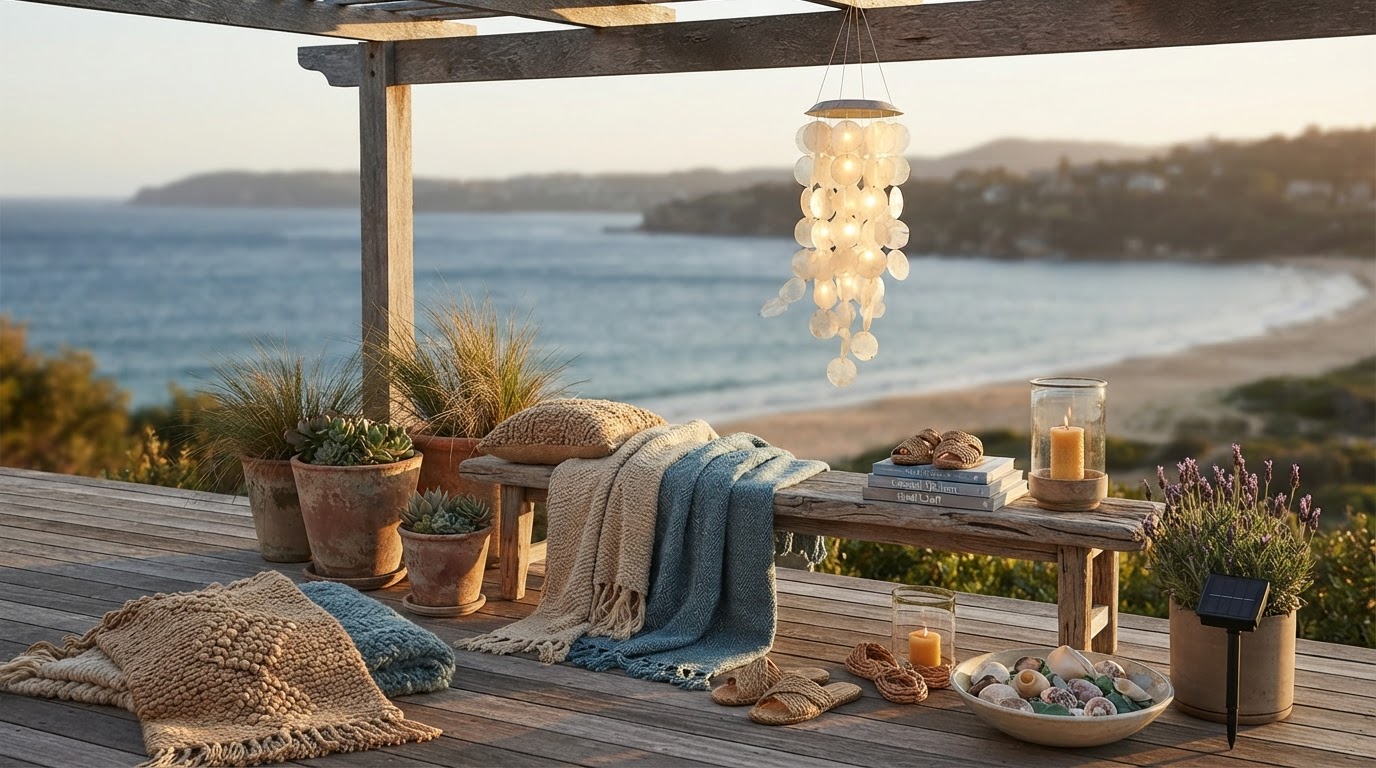
Selecting Solar Seashell Chime Models for Coastal Decor
 Sam VasquezBuying Guide Lead
September 9, 2026. This guide examines the technical and aesthetic considerations for integrating solar capiz shell chimes into residential outdoor spaces. It is written for homeowners seeking to balance natural materials with modern solar efficiency.
The Durability Challenge of Natural Shell Decor
Outdoor decor often forces a compromise between organic aesthetics and long-term durability. Capiz shells, harvested from the Placuna placenta mollusk, are prized for their translucent, pearlescent quality, but they face significant environmental stressors when used in garden settings. According to the Smithsonian Ocean Institute, calcium carbonate structures like those found in seashells are susceptible to degradation when exposed to acidic rainfall and extreme temperature fluctuations over time. In my experience, traditional non-solar chimes often fail not because of the shells themselves, but because the stringing material rots or the lack of utility makes them feel like clutter after the novelty wears off. When you add electronics into the mix, the stakes for build quality increase. Many generic products suffer from poor sealing around the battery compartment, leading to corrosion within a single season. If you are looking for a long-term fixture, you have to look past the initial shine. Skip this if you live in an area with sustained gale-force winds, as no amount of build quality can prevent thin shells from shattering against each other in a storm. However, for the average patio or balcony, the integration of light transforms these pieces from simple noise-makers into functional evening illumination. Understanding the mechanics of shell wind chimes solar powered is the first step in ensuring your investment survives the elements.
Technical Integration of the Solar Seashell Chime
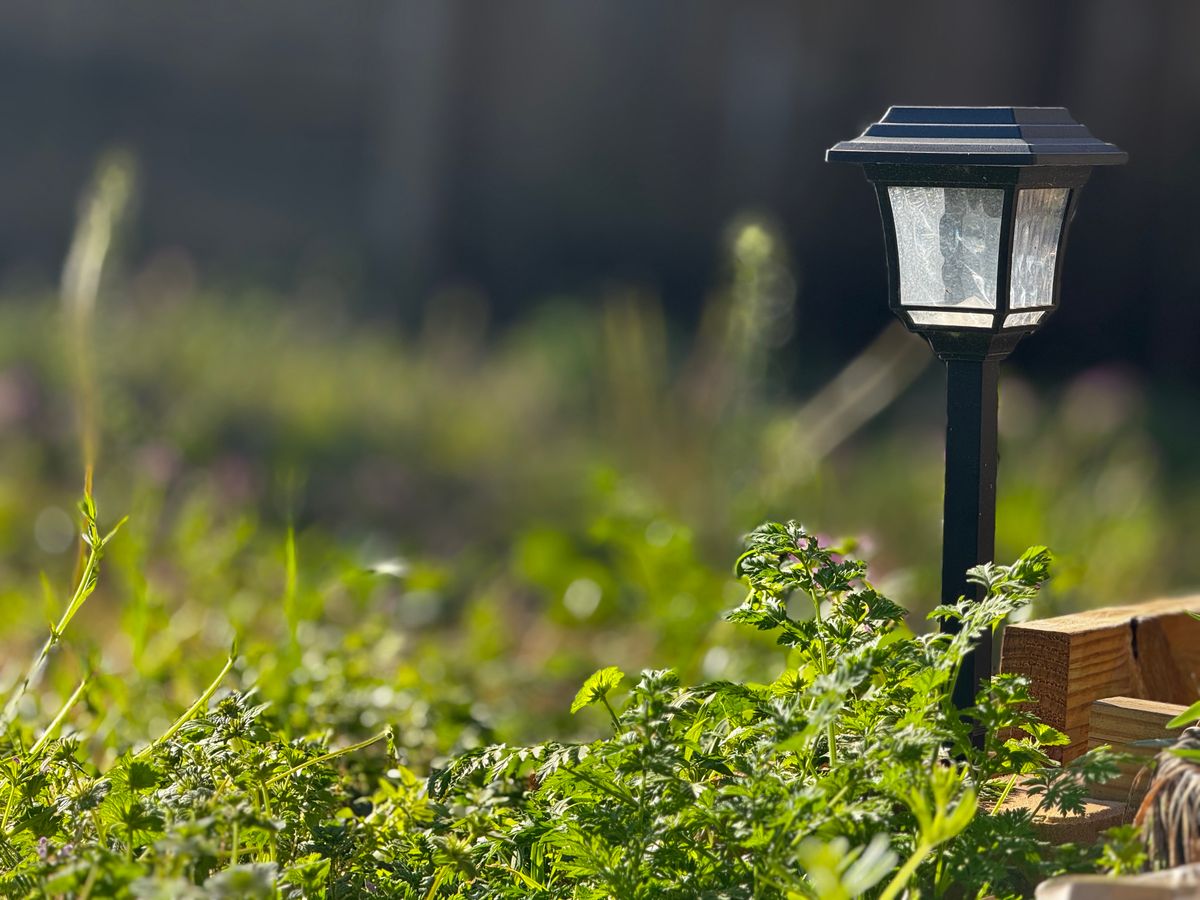
The Solar Seashell Chime addresses the common failures of solar decor by centering the design on a weather-protected top housing. Instead of exposed wiring, the internal components are shielded within a resin or high-grade plastic cap that serves as both the suspension point for the shells and the housing for the photovoltaic cell. The shells are suspended using high-tensile nylon threading, which resists the UV degradation that typically snaps cotton or thin polyester strings. When considering a solar powered shell wind chime, the battery capacity is the most critical spec. A standard 600mAh Ni-MH battery is usually sufficient to power the internal LEDs for 6 to 8 hours after a full day of sun exposure. Between these two options—a standard hanging chime and a stake-mounted light—I'd go with the hanging chime every time because it utilizes the natural movement of the wind to disperse the light patterns. The shells act as natural diffusers, softening the glow of the LEDs so they don't produce the harsh, clinical glare often associated with cheap solar path lights. This makes the solar seashell wind chimes particularly effective for creating ambiance without needing an external power source. The color-changing cycle is a standard feature, but the real value lies in the static light quality during the twilight hour when the shells are still visible but the LED begins to take over. Here's what I'd actually buy: the warm white LED version over the multi-color cycle. While the colors are popular, a steady warm light highlights the natural grain of the capiz shells much more effectively, making the unit look like a high-end light fixture rather than a toy.
Decision Framework for Outdoor Solar Lighting
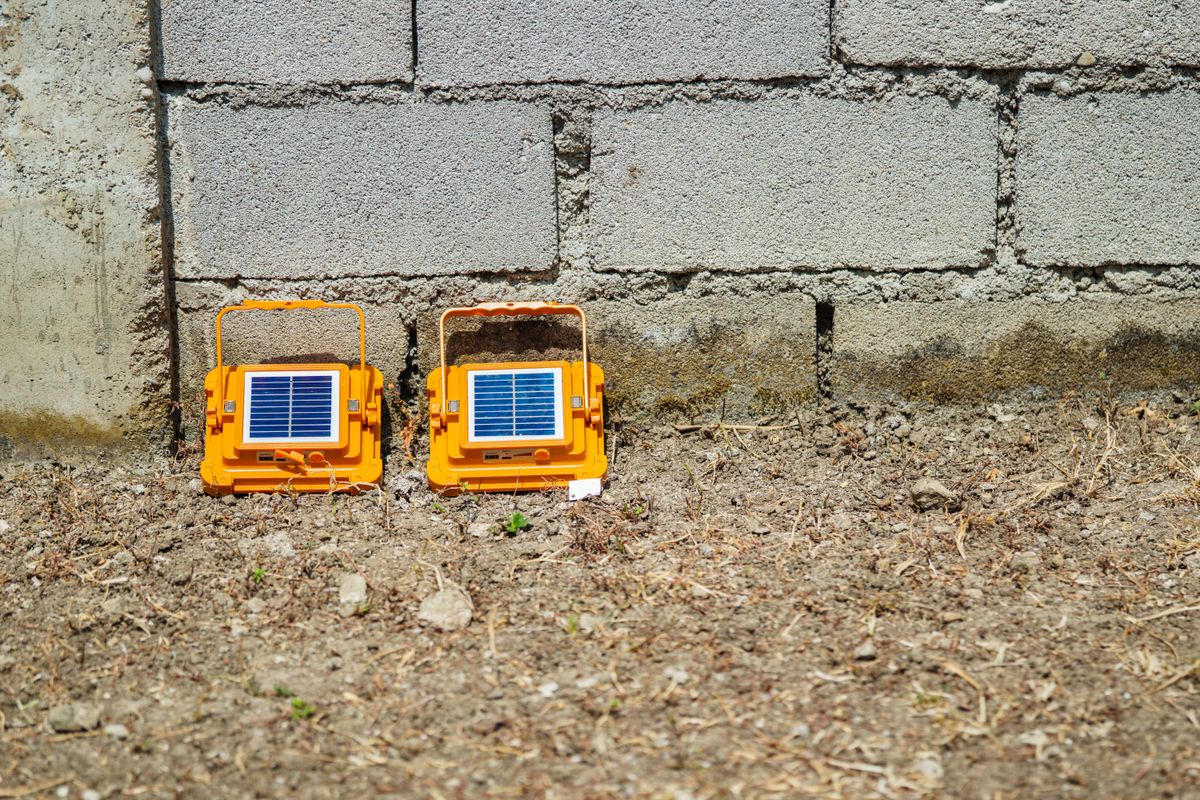
Photo by Nothing Ahead on Pexels
When you are ready to choose a unit, you need to evaluate your specific environment. If you're on a budget, you might be tempted by the smallest units available, but these often have tiny solar panels that struggle to charge in anything other than direct, midday sun. A larger surface area on the solar collector ensures that even in partial shade, the solar seashell chime can gather enough energy to function through the evening. You should also consider the sound profile; capiz shells produce a higher-pitched, lighter clinking sound compared to the deep resonance of bamboo or the sharp ring of metal. It is a subtle sound that won't disturb neighbors, which is a major plus for apartment dwellers. Before finalizing your purchase, run through this checklist to ensure the model fits your space:
- Verify the solar panel is monocrystalline for better efficiency in low-light conditions.
- Check that the shell suspension lines are reinforced at the attachment points.
- Ensure the battery compartment has a rubber gasket seal to prevent moisture ingress.
- Confirm the hanging hook is made of stainless steel or powder-coated metal to prevent rust streaks on your porch.
- Look for an auto-on/off sensor to preserve battery life during daylight hours.
- Match the shell color (natural, blue, or multi) to your existing patio furniture palette.
Shop Solar Seashell Chime here